Luh Tyler Net Worth in 2026: How the Young Rapper Makes Money Today
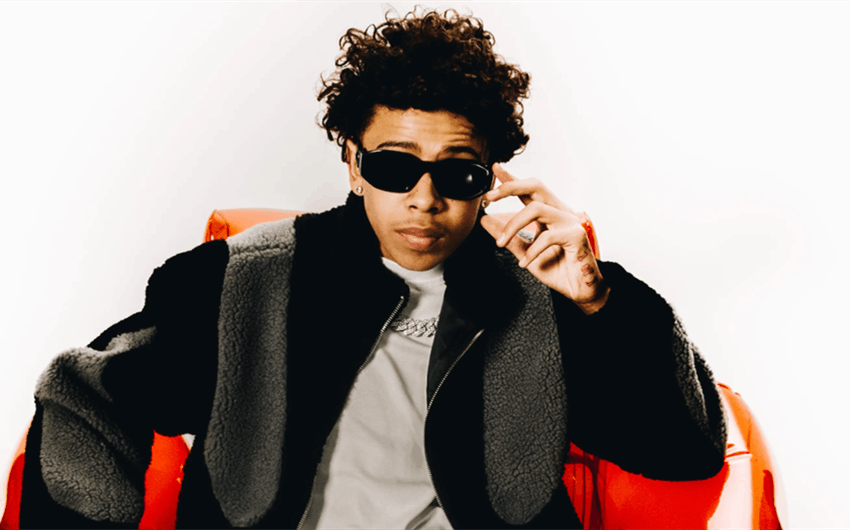
Luh Tyler net worth has become a popular search because he blew up fast and made it look effortless. The quick answer is that most public estimates place him in the low seven figures, with a realistic range depending on touring, streaming growth, and deal structure. What makes his story interesting isn’t just the number—it’s how quickly a new-era artist can turn viral momentum into real income through music, shows, merch, and social platforms.
Quick Facts
- Full Name: Tyler Reed Meeks
- Stage Name: Luh Tyler
- Estimated Net Worth (2026): About $1.5 million
- Estimated Range: Roughly $1 million to $2 million
- Birthdate: February 20, 2006
- Age (as of January 2026): 19 (turns 20 in February 2026)
- Hometown: Tallahassee, Florida
- Height: Reported around 5’6” (varies by source)
- Occupation: Rapper, songwriter
- Known For: Viral breakout, upbeat delivery, and fast-growing catalog
Luh Tyler Bio
Luh Tyler is a Florida rapper who rose quickly by pairing a playful sound with real confidence on the mic. His music lands in that sweet spot where it’s catchy enough for short clips and social trends, but polished enough to keep people streaming full songs afterward. He’s part of a younger wave of artists who understand that the internet is a stage, a marketing team, and a storefront all at once. That mix of personality, timing, and consistency is a big reason his career started moving at high speed.
Relationship Status
There isn’t a widely confirmed public spouse or long-term partner connected to his brand at this time. Like many newer artists, he keeps parts of his personal life quieter than his music, and most coverage focuses on releases, performances, and his rapid rise.
Luh Tyler Net Worth Estimate for 2026
In 2026, Luh Tyler is commonly estimated to have a net worth of around $1.5 million, with many public estimates falling in the $1 million to $2 million range. That range makes sense for an artist who has strong momentum, a growing catalog, and increasing booking demand, but hasn’t spent a decade stacking assets the way older stars have.
It also helps to remember what “net worth” really means. It’s not the same as “how much he made this month.” Net worth is a snapshot of estimated assets minus estimated liabilities. A young rapper can earn a lot in a short span and still be building the long-term foundation—things like ownership, cash reserves, and investments that turn a hot run into lasting wealth.
How Luh Tyler Actually Makes His Money
Streaming checks and a catalog that keeps growing
For newer rappers, streaming is usually the first steady paycheck that arrives without needing a tour bus. When a song catches on, it can generate income from multiple platforms at once, and the “aftershock” matters just as much as the first viral moment. People hear the hit, then they dig into other tracks, and that’s how a catalog starts doing the heavy lifting.
Streaming money can look huge from the outside, but the per-stream payout is small and the revenue is split depending on deals and rights. Still, when an artist is young, active, and consistently releasing, streaming can become a reliable baseline that supports everything else—especially when fans replay the same tracks over and over.
Live shows, college crowds, and booking fees
Touring and live appearances are where many artists see the biggest jumps in income. A growing rapper typically starts with smaller venues, festivals, and regional runs, then moves up as demand increases. Even before full headline tours, paid bookings can be meaningful—especially when the artist’s name is hot and promoters know fans will show up.
Show money isn’t just the performance fee, either. Live appearances often boost streaming, bring new followers, and drive merch sales. One good weekend of performances can create a ripple that lasts all month.
Merch that turns listeners into customers
Merchandise is one of the simplest ways for an artist to monetize a fan base, because the connection is emotional. If people feel like the music is “theirs,” they want something physical that represents it. Hoodies, tees, hats, and limited drops can become a strong profit lane when handled well.
Merch also performs best where the energy is highest—at shows, meet-and-greets, and pop-ups. For a rising artist, a smart merch strategy can sometimes out-earn streaming in short bursts, especially when demand is peaking.
Label support, distribution, and deal structure
When a rapper levels up quickly, label interest usually follows. A distribution or label arrangement can provide marketing muscle, playlist reach, and professional rollout support. That can increase income indirectly by helping songs travel farther and last longer.
Deals can also include advances, but advances are not free money in the long run. They’re typically recouped from future earnings, which means the artist’s monthly take can depend heavily on how the contract is structured. The difference between “doing numbers” and “keeping money” often comes down to ownership splits and recoupment terms.
YouTube money and visual momentum
YouTube still matters because visuals sell the artist, not just the song. Music videos, behind-the-scenes clips, and viral moments can generate ad revenue, but the bigger win is discovery. A video can introduce Luh Tyler to someone who never would have found him on a streaming app, and that new listener might become a repeat fan.
When an artist’s channel grows, it becomes a media asset of its own. Even older videos can continue earning and funneling listeners back into the catalog.
Features, collaborations, and quick-win payments
As buzz grows, feature requests grow with it. Feature fees can become a meaningful income stream because they don’t require full album rollouts. A collaboration can also place him in front of another artist’s fan base, which turns into new followers, new streams, and higher demand for shows.
For a rising rapper, smart collaborations do two jobs at once: they build credibility and they increase earning power.
The Songs and Moments That Lifted His Value
Luh Tyler’s early rise is tied to the kind of momentum that spreads online fast—short clips, catchy lines, and a vibe that people can instantly recognize. Songs that catch on in that environment don’t just rack up streams; they build identity. Once fans know the sound and the persona, they start treating new drops like episodes of a series. That’s when an artist stops being a one-song name and starts being a brand.
Another big factor is consistency. Newer artists who keep releasing tend to win because the internet rewards repetition. Each release is another chance to get clipped, shared, remixed, and replayed. Over time, that turns into a catalog that can generate income even when there isn’t a brand-new viral moment happening that week.
What Takes a Bite Out of Earnings
Even young artists with strong momentum have big costs. Music is a business with a lot of hands involved, especially once things scale up. Common expenses can include:
- Management and booking commissions: percentages that come off the top
- Studio and production costs: beats, mixing, mastering, engineers
- Content creation: videos, photographers, editors, styling
- Travel: flights, hotels, drivers, security as popularity grows
- Taxes and accounting: essential when money starts coming from multiple states and platforms
For someone at Luh Tyler’s stage, net worth can rise quickly, but it can also feel “slower than fans expect” because the business is still being built. Early on, a lot of money goes right back into production, promo, and positioning for the next level.
Why His Net Worth Can Climb Faster Than People Think
The advantage Luh Tyler has is time. Being this young with real traction means he can build a catalog early, and catalogs are where long-term money lives. If he keeps releasing, touring, and growing his audience, the value of his music rights can increase year after year. That’s how artists go from “a million or two” to real wealth—one successful run stacked on top of another, with ownership decisions that protect the upside.
Another factor is brand flexibility. Young artists can monetize through multiple lanes—music, content, merch, paid appearances, and partnerships—without needing traditional media to validate them. If his fan base keeps expanding, those lanes get wider, and income becomes less dependent on one single hit.
image source: https://www.gq.com/story/luh-tyler-my-vision-interview