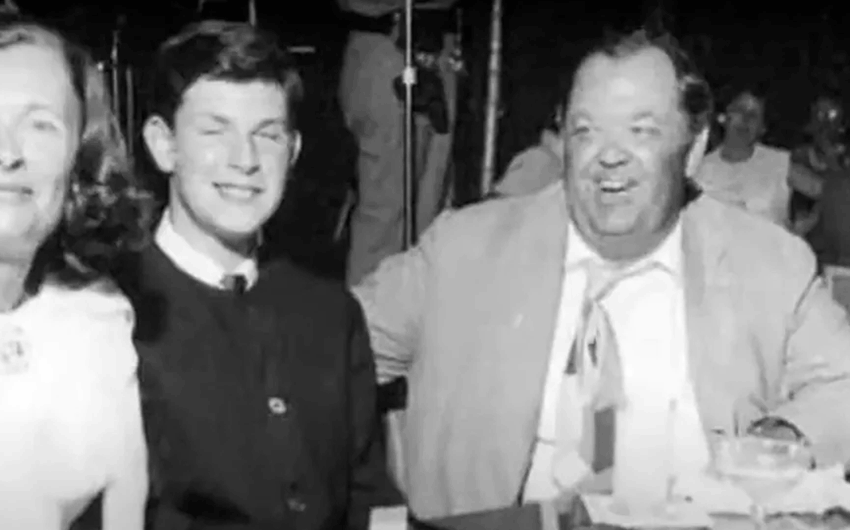
Hal Smith Net Worth When He Died: Earnings, TV Roles, and Legacy
Hal Smith net worth when he died is a question that pops up because he was one of those familiar faces who seemed to be everywhere on classic TV. The most realistic answer is that his wealth was likely in the low millions at the time of his death, not a blockbuster celebrity fortune. His income came from steady acting work, long-running appearances, and voice roles that kept paying long after the cameras stopped rolling.
Quick Facts
- Full Name: Harold John Smith (professionally known as Hal Smith)
- Estimated Net Worth When He Died: About $2 million
- Estimated Range: Roughly $1 million to $4 million
- Born: August 24, 1916
- Died: January 28, 1994
- Age at Death: 77
- Birthplace: Petoskey, Michigan, USA
- Known For: Character acting and voice work
- Most Recognized TV Role: Otis Campbell on The Andy Griffith Show
- Other Recognition: Extensive animation voice credits
Hal Smith Bio
Hal Smith was an American character actor and voice performer whose career stretched across the golden age of radio, classic television, and animation. He wasn’t marketed as a movie-star celebrity, but he had something arguably more valuable in the working-actor world: longevity. Smith built a reputation for being reliable, flexible, and memorable in small doses, which is why audiences still recognize him decades later. His most famous live-action role was Otis Campbell, the lovable town drunk on The Andy Griffith Show, but his voice work added another layer to his career and helped keep his earnings steady over time.
Spouse and Family
Hal Smith kept much of his personal life private compared to today’s public figures. While he was known to have had a family life, detailed spouse information is not consistently presented across widely available mainstream bios. Because those details are often repeated inconsistently, it’s safest to say that his private family world stayed mostly out of the spotlight, especially compared to his long list of public credits.
Hal Smith Net Worth When He Died
A practical estimate for Hal Smith’s net worth at the time of his death in 1994 is around $2 million, with a reasonable range of $1 million to $4 million. That estimate fits the profile of a successful, long-term working actor from his era: steady union jobs, recurring television paychecks, voice-over income, and possible residuals, balanced against the reality that mid-century performers typically did not earn modern “streaming-era” money.
It also helps to understand what makes older net worth estimates tricky. Contracts from that period were rarely public, and many of Smith’s projects were done long before today’s internet-style reporting. That means the best anyone can do is build a sensible estimate based on career scale, likely compensation tiers for the time, and how residual payments worked for television and voice acting.
Where His Money Came From
Classic television paychecks
Television acting was the core of Hal Smith’s public identity. In the mid-20th century, a dependable character actor could work constantly, moving from one series to another, and that consistency mattered more than a single huge payday. Smith appeared in a wide variety of shows, often as a supporting player who could deliver a scene with humor and timing.
Actors like Smith were often paid per episode, and repeated guest appearances could add up. Even if an actor wasn’t “the star,” a strong reputation could keep them booked year after year. That type of stability is a major reason a long-running character actor could build meaningful wealth over decades.
The Andy Griffith Show and a role that lasted
Smith’s best-known on-camera work came from playing Otis Campbell. Otis was not in every episode, but the character became iconic because he was written with warmth and played with charm. Being attached to a beloved show matters financially in a few ways. First, it raises an actor’s profile, which can lead to more bookings. Second, it can create residual income depending on the deal structure and how reruns were handled during different eras.
Not all classic TV performers became rich from reruns, because residual systems evolved over time and the terms varied. But being connected to a show that remained popular for decades gave Smith something many actors never get: a permanent place in television history, which kept his name valuable in the industry.
Voice acting as a second career lane
One of the smartest parts of Smith’s career was that he wasn’t limited to live-action. Voice acting can be a powerful income stream because it allows performers to work across many projects without needing to fit a particular on-camera “type.” A strong voice actor can record multiple jobs in a short time, and animation work can lead to long-lasting recognition.
Voice acting also tends to create a different kind of longevity. A character can live on through reruns, tapes, and later re-releases, and the performer’s work stays “fresh” to new audiences. Smith’s animation credits helped widen his earning potential beyond one hit TV role, which is a big reason his net worth estimate makes sense in the low millions rather than the low hundreds of thousands.
Commercials, radio, and the working-actor ecosystem
In Smith’s era, many actors built their income from a mix of mediums. Radio work, commercials, live appearances, and smaller TV roles often filled the calendar between bigger credits. This was the normal life of a professional actor: always working, always auditioning, always stacking paychecks from different directions.
Even if each individual job wasn’t life-changing money, the combined effect over decades could produce real financial security, especially for performers who managed their money and avoided long gaps without work.
Why His Wealth Was Likely “Comfortable” Rather Than Mega-Rich
It’s easy to look at a famous face from classic TV and assume they must have been extremely wealthy. But entertainment economics used to be different. A handful of top stars earned huge money, while many recognizable performers earned solid middle-to-upper income and built wealth slowly.
Hal Smith fits the second category. He was famous, but he wasn’t marketed like a leading-man superstar. He was a “character actor’s character actor,” which typically means steady work and respect, not massive headline deals. That’s exactly why a low-million estimate is realistic: enough success to build assets over time, but not the kind of wealth associated with top-billed movie legends.
How Residuals and Reruns May Have Helped
Residuals are often the hidden piece of older TV wealth stories, and they can be misunderstood. In some cases, actors did very well from reruns. In other cases, contracts were less favorable and the residual impact was modest. What’s fair to say is that Smith’s connection to a classic show gave him more potential for ongoing payments than many of his peers.
Even modest residual checks can matter when they arrive year after year. They help cover living costs, support retirement stability, and reduce the pressure to keep taking nonstop jobs late in life. If Smith had even a moderate residual stream from reruns and voice work, it would help explain a comfortable estate value at the time of his death.
Life After Peak TV Fame
Another reason people ask about his net worth is that his later years were not filled with constant tabloid coverage. When a celebrity stays in the headlines, people assume money is flowing. When they go quiet, people assume the opposite. But with classic entertainers, “quiet” often just means they’re living like normal people while still earning from past work and occasional projects.
Smith’s career was long enough that he likely reached a stage where he didn’t need to chase every role. That doesn’t mean he stopped working entirely; it means he had more control. Control is often the real luxury in the entertainment business, and it’s also a clue that finances were stable.
What “Net Worth When He Died” Really Means
When people say “net worth,” they’re usually imagining a pile of cash. In reality, net worth can include a home, savings, retirement accounts, personal investments, and any ongoing income rights, minus debt and expenses. For an actor from Smith’s era, the biggest likely assets would be property and long-term savings, with entertainment income coming in more like a stream than a one-time windfall.
That’s why the best estimate for Hal Smith’s net worth when he died is best described as a grounded, working-actor figure: successful, comfortable, and built over a lifetime of steady professional output.
image source: https://www.womansworld.com/entertainment/classic-tv/otis-the-drunk-on-andy-griffith-show-hal-smith-story